


Honolulu attracts millions of visitors every year who come to enjoy breathtaking beaches and vibrant city pathways. Walking is an excellent way to experience Oahu, from the streets of Waikiki to downtown corridors. However, our roads are shared by a dense mix of rental cars, city buses, commercial trucks, and local commuters. This high traffic volume creates an environment where pedestrian accidents occur frequently. Jaywalking safety in Honolulu, HI, is an important topic for anyone traveling on foot across the island. A single moment of distraction or an improper street crossing can lead to a devastating collision.
At Recovery Law Center, we know how deeply a sudden injury impacts your physical well-being and financial stability. Our team sees how quickly insurance companies try to deflect blame onto injured pedestrians to avoid paying claims. Understanding your legal rights and local traffic safety rules protects your life and your future.
What Counts as Jaywalking in Honolulu, HI?
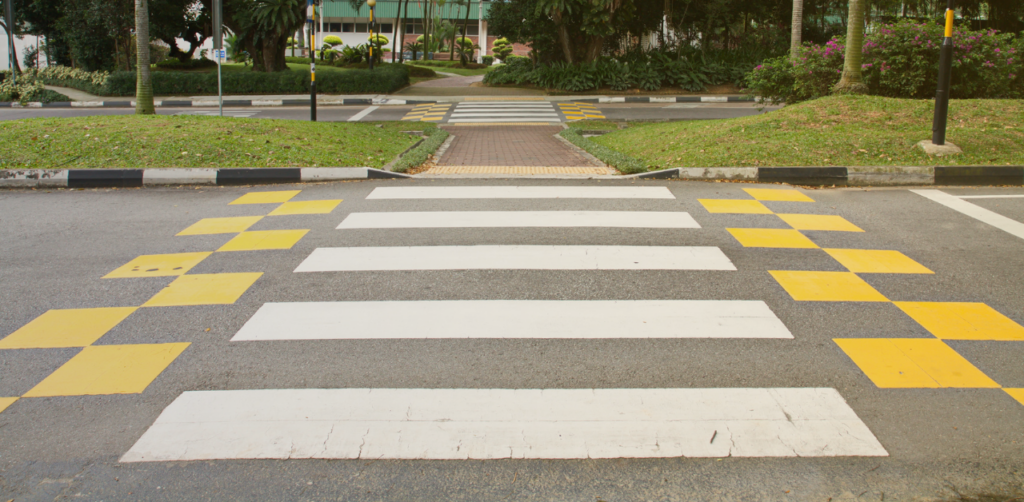
In everyday conversation, people use “jaywalking” to mean crossing the street outside a crosswalk. Under Hawaii law, the answer is more specific. A pedestrian generally has the right of way in a marked crosswalk and in an unmarked crosswalk at an intersection. By contrast, a person crossing at a point other than a marked crosswalk or an unmarked crosswalk at an intersection must yield the right of way to vehicles on the roadway.
Hawaii law also states that between adjacent intersections with working traffic signals, pedestrians may cross only in a marked crosswalk. That is one reason jaywalking laws in Honolulu often come down to where the person crossed and what traffic controls were present.
This also clears up a common point of confusion. Jaywalking is not simply “crossing where there are no white paint lines.” An unmarked crosswalk may still exist at an intersection. Still, pedestrians need to stay alert. Even when a crossing is legal, approaching traffic may not stop in time, especially at night or on fast roads. Pedestrians may also legally cross corner-to-corner at some intersections without marked crosswalks, but visibility remains a major safety issue.
When Do Pedestrians Have the Right of Way?
Hawaii gives pedestrians strong protections in crosswalks, but those protections are not unlimited. Drivers must stop for a pedestrian crossing within a crosswalk when the pedestrian is on the same half of the roadway or close enough to the opposite half to be in danger. Drivers also must use due care to avoid hitting any pedestrian on the roadway. That duty does not disappear just because a person crossed in the wrong place.
At the same time, pedestrians have duties too. A pedestrian cannot suddenly leave a curb or other place of safety and walk or run into the path of a vehicle that is so close it is impossible for the driver to yield. Pedestrians also must obey traffic signals. If the signal says “Don’t Walk,” a person should not start crossing, though someone already in the crosswalk can finish crossing to a sidewalk or safety island. These rules matter in pedestrian accident cases because insurance companies often consider both the driver’s and the pedestrian’s conduct when determining fault.
Why Is Jaywalking So Dangerous on Honolulu Streets?
Honolulu is a city where many people walk, ride the bus, and bike, moving between shopping areas, neighborhoods, beaches, and transit stops. That can be good for transportation equity and daily life, but it also means more interaction between pedestrians and vehicles. The Honolulu pedestrian planning documents focus on eliminating fatalities and severe injuries on Oahu roads, and community survey data has identified poor pedestrian crossings, signals, and driver inattentiveness as common safety concerns in areas such as Ala Moana.
Jaywalking raises the risk because it removes some of the predictability that traffic signals and designated crosswalks provide. A driver turning at an intersection may look for cars and miss a person crossing midblock. A bus can block sight lines. At night, dark clothing makes a pedestrian less visible. Speed makes the danger worse because it cuts reaction time and increases the chance of serious injuries or pedestrian fatalities. Even a low-speed impact can cause fractures, head trauma, spinal injuries, or internal injuries.
What Steps Can Help You Stay Safe While Crossing the Street?
![Jaywalking safety tips [Infographic]](https://recoverylawcenterhawaii.com/wp-content/uploads/2026/06/Jaywalking-safety-tips-1024x683.png)
The safest habit is simple: use marked crosswalks or a legal unmarked crosswalk at an intersection whenever possible. Wait for the walk signal, make eye contact with drivers, and do not assume a vehicle will stop just because you have the right of way. If the signal starts to change, do not suddenly leave the curb and rush into traffic.
A few habits can also reduce risk in daily life:
- Stay where drivers expect to see pedestrians.
- Use sidewalks, crosswalks, pedestrian signals, and well-lit paths.
- At night, reflective material and bright clothing can make you more visible.
- Before you cross, look left, right, and left again, then keep scanning as you walk.
- Watch for turning vehicles, buses pulling out, cyclists, and drivers focused on another lane.
These steps may sound basic, but they matter on roads where traffic moves fast and sight lines change quickly. Honolulu Police Department pedestrian safety guidance also stresses using crosswalks, obeying traffic regulations, and not entering the path of a vehicle that cannot safely yield.
Can You Get a Jaywalking Ticket or Jaywalking Fine in Hawaii?
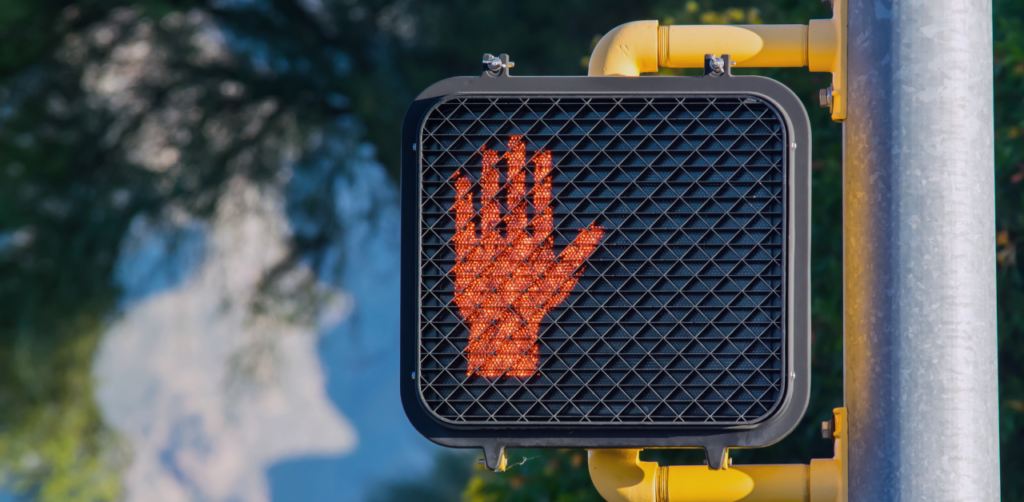
Yes. Hawaii enforces pedestrian rules, and a jaywalking ticket can carry a fine. State and safety materials tied to Hawaii pedestrian laws note a fine of $130 for crossing between adjacent signalized intersections outside a marked crosswalk, and the same fine can apply to starting to cross against a “Don’t Walk” pedestrian signal. Jaywalking enforcement can vary by location and circumstance, but the risk of a ticket is only part of the issue. The larger concern is safety.
People also ask if a ticket means the pedestrian is automatically at fault for an accident. Not always. A traffic violation can matter, but it does not end the analysis. Hawaii follows comparative negligence rules, so fault can be shared. A driver who was speeding, distracted, or failed to exercise due care may still be partly responsible for a pedestrian accident, even if the injured person crossed outside a crosswalk. That can make a major difference in a compensation claim.
What Happens If a Driver Hits a Pedestrian Outside a Crosswalk?
A crash outside a crosswalk does not automatically prevent an injury claim. The real question is how the collision happened. Investigators and insurers may look at the point of impact, lighting, traffic signals, speed, visibility, skid marks, surveillance video, and witness statements. They may also ask whether the pedestrian suddenly left a place of safety, whether the driver had time to stop, and whether the driver was paying attention.
In many cases, more than one factor plays a role. For example, a pedestrian may have crossed in an unsafe spot, but the driver may also have been speeding or looking down at a phone. Hawaii law requires drivers to exercise due care to avoid colliding with pedestrians on any roadway. That duty remains important in cases involving serious injuries and disputed fault.
How Can Jaywalking Affect a Pedestrian Injury Claim?
Jaywalking can affect a claim, but it does not always defeat it. Hawaii’s comparative negligence law allows fault to be divided among the people involved. That means an injured pedestrian may still recover compensation if a driver also acted carelessly, though the amount may be reduced based on the pedestrian’s share of fault. That issue often arises in cases involving nighttime crossings, disputes over unmarked crosswalks, and roads with poor lighting or limited pedestrian infrastructure.
This is one reason it helps to avoid broad assumptions like “jaywalking is illegal, so the pedestrian loses.” The facts matter. The exact crossing point matters. The traffic signals matter. The driver’s speed and attention matter. In a pedestrian accident claim, a careful review of the scene often matters more than the label people use after the crash.
When Should You Talk to a Honolulu Pedestrian Accident Lawyer?
You should consider legal help soon after a crash if you suffered serious injuries, the insurance company is blaming you, or there is a dispute about the crosswalk, traffic signal, or right of way. Early legal review may also help preserve surveillance footage, evidence at the scene, and witness statements before they disappear. That can be especially important in Honolulu, where busy intersections, buses, hotel zones, and high-foot-traffic areas can create complicated fact patterns.
At Recovery Law Center, we help injured pedestrians and families understand what happened, what Hawaii law says, and what options may be available. If a driver’s negligence contributed to the crash, you may have the right to recover compensation for medical bills, lost income, pain, and other losses. Our job is to look past labels and focus on the facts.
Get Trusted Help After a Pedestrian Accident in Honolulu
Jaywalking safety in Honolulu, HI, is about more than avoiding a ticket. It is about knowing where to cross, respecting traffic signals, staying visible, and understanding that both pedestrians and drivers have duties under Hawaii law. When a crash happens, fault is not always simple, and a pedestrian accident case should be reviewed carefully.
At Recovery Law Center, we help people make sense of these situations and pursue fair compensation when someone else’s carelessness is involved. If you or a loved one was injured in a pedestrian accident in Honolulu, contact us for a free consultation.