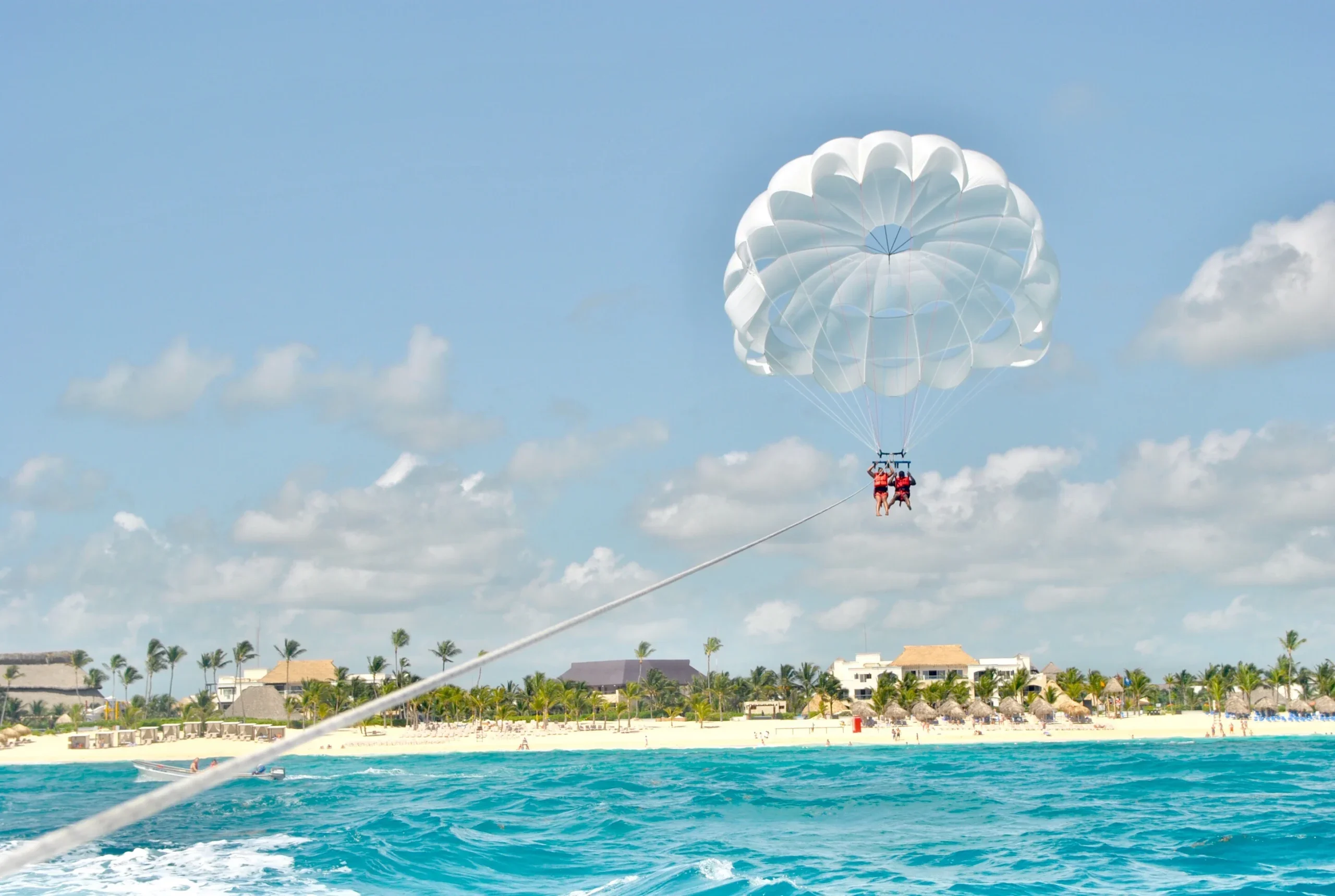
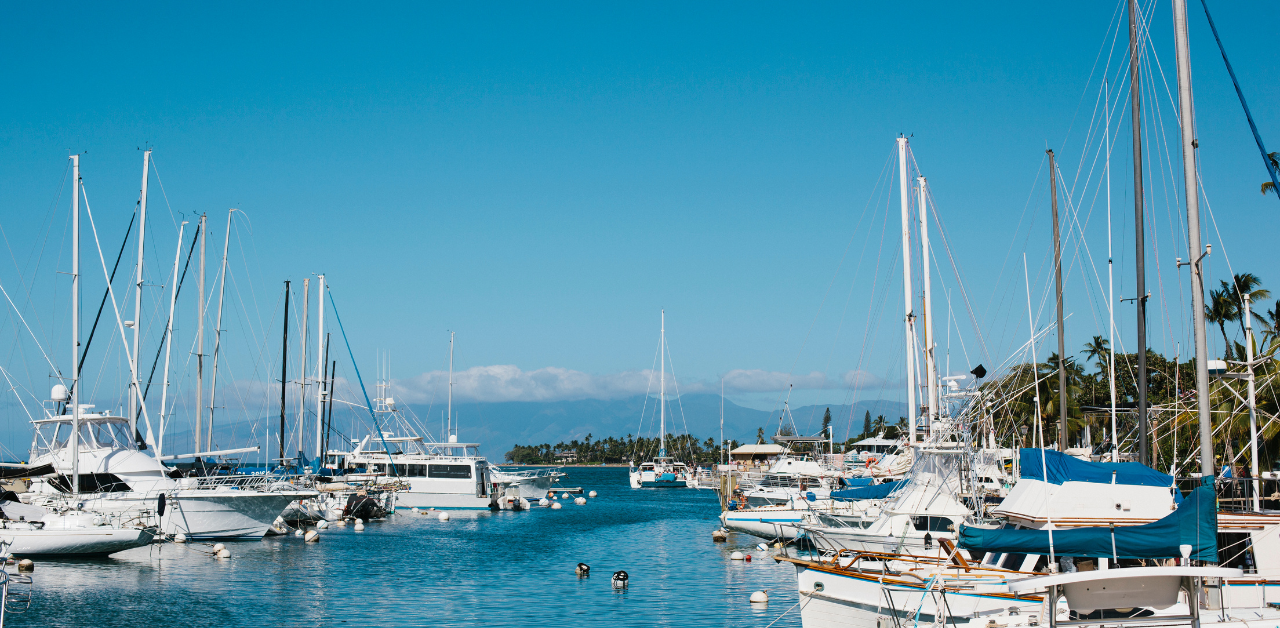
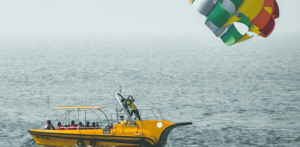
Parasailing is a wildly popular recreational activity throughout Hawaii that involves pulling leisure-seekers or thrill-seekers behind boats on parasail wings. Once someone is harnessed in, they're connected to the boat via a towline and are left to their own devices, with very little to no control over the contraption they're in. Generally, there is very little to no guidance or training.
Aircraft accidents can lead to serious or even
catastrophic injury. Liability often depends on the facts: who operated the equipment, whether safety measures were followed, and what caused the harm. Victims may be eligible to file a personal injury claim if negligence played a role. That could mean an operator ignored weather warnings, failed to maintain equipment, or lacked proper training. If you or a loved one suffered injuries during a parasailing trip in Hawaii, you may be entitled to seek compensation.
At
Recovery Law Center, we help individuals injured during recreational and entertainment activities understand their rights. Parasailing accidents can lead to serious or even catastrophic injury. We offer a free consultation to review your situation and explain your legal options clearly and directly.
Understanding Liability for Parasailing Injuries and Other Hawaii Recreation Accidents
Liability in recreational accidents, including parasailing, centers on whether a person or company failed to act with reasonable care. Operators must provide safe equipment, trained staff, and follow state regulations.
When that duty is breached and someone is hurt, a personal injury claim may be possible. Parasailing accidents in Hawaii involve complex factors, like:
- Boat safety
- Equipment condition
- Weather
- Operator decisions
Liability could also extend to the boat’s owner, the company offering the activity, or even manufacturers if a defective part failed.
In some cases, property owners may be responsible under premises liability law if the takeoff or landing area was unsafe. When recreational activity injuries occur, identifying liable parties takes careful review of records, reports, and procedures. At Recovery Law Center, we help injury victims examine the facts to determine if they have grounds to file a claim. We also deal with insurance adjusters and guide clients through the legal process.
Common Injuries Caused by Parasailing Accidents and Other Recreational Activity Injuries
Parasailing accidents can lead to a range of injuries, from minor cuts to life-altering harm. Common injuries include:
In severe cases, victims may suffer long-term disability or even wrongful death. The high altitudes and sudden force involved in parasailing can result in a fall accident, especially if the harness fails or the tow line breaks. Other recreational activity injuries occur in similar ways, whether on jet skis, body surfing, or trail riding.
Accidents involving defective equipment, poor training, or improper supervision often cause more serious injuries. Catastrophic injury may require months or years of medical care, rehabilitation, and support. Victims may lose wages while recovering and face mounting medical bills.
That’s why it’s important to take these cases seriously. An experienced personal injury lawyer works with clients to gather medical records, document injuries caused by negligence, and pursue full and fair compensation under Hawaii law.
How Liability Laws Apply in Hawaii’s Recreational Accidents and Parasailing Lawsuits
Hawaii law doesn’t treat recreational injuries as just bad luck. If a company or person was careless and that caused the injury, the law may allow for a personal injury claim. These cases depend on showing that the other party failed to act with reasonable care under the situation.
In parasailing accidents, operators are supposed to follow rules set by Hawaii’s boating and recreational divisions. They must stay in approved areas, have the right permits, and avoid operating in poor weather. Launching during high winds or ignoring weight limits can make the company responsible if an accident happens. Accidents occurring because of these mistakes may qualify for compensation.
Hawaii also recognizes assumption of risk, but this does not protect a business if they were negligent. Signing a waiver doesn’t mean you give up your right to sue if the company made serious errors. Inadequate training, unsafe equipment, and ignoring warnings all go beyond what a waiver covers.
At Recovery Law Center, we’ve seen how recreational and entertainment activities go wrong when companies cut corners. These cases are not about blaming someone for having fun, but about asking whether your injury could have been avoided if proper care had been taken. That’s the standard the law applies, and so do we.
Who Might Be Liable: The Main Liable Parties in a Parasailing Accident in Hawaii
More than one party can be at fault in a parasailing accident. Depending on the facts, there may be several people or companies that share legal responsibility for what happened.
The most obvious party is the parasailing operator. This includes the company and the staff who control the boat, prepare the gear, and guide the flight. If they failed to inspect the equipment, launched during bad weather, or ignored weight and age rules, they may be responsible for the accident.
The boat owner may also be liable. In some cases, the operator leases the boat from another party. If the owner failed to maintain the vessel or ignored its mechanical issues, they may have contributed to the injury.
Manufacturers of faulty equipment may also be liable. If the harness, winch, or tow line fails due to a design or production problem, that opens the door to a product liability claim. These kinds of failures are rare but serious.
Finally, property owners may be responsible if the injury happened due to unsafe conditions at the launch or landing site, such as wet docks, uneven boards, or a lack of railings.
Steps to Take After You Suffer Injuries in Parasailing or Hawaii Recreation Accidents
When you’re injured during a parasailing ride or any other recreational activity, the steps you take immediately after can make a big difference in your recovery, both physically and financially.
- Get medical help. Even if the injury doesn’t seem serious, it’s important to get checked out. Some injuries, like traumatic brain injuries, don’t show symptoms right away. Keep all medical records and bills.
- Report the incident. Make sure the company is aware, and if needed, contact the appropriate agency in Hawaii that regulates boating accidents and water sports. Get a copy of the report or a statement confirming your complaint.
- Collect evidence. Take photos of the scene, the gear, and your injuries. If there were witnesses, get their contact information. Save emails, waivers, or receipts from the parasailing company.
- Contact a personal injury lawyer who handles Hawaii recreation accidents. These cases can be complicated, especially when insurance adjusters get involved. A boating accident lawyer can help protect your rights, handle the paperwork, and deal with the insurance company.
At Recovery Law Center, we guide clients from the moment the injury happens until the case is closed. Whether your injury came from playing tourist or trying something new, you deserve answers. Every accident victim has the right to ask for fair compensation when their injury was preventable.
What Compensation Might Be Available in a Parasailing Accident Claim in Hawaii?
In Hawaii, if you’re injured in a recreational accident like parasailing and someone else is at fault, you may be entitled to financial recovery. This means you can file a personal injury claim to cover both direct expenses and other ways the injury affected your life.
The most common compensation includes medical care. This covers hospital stays, follow-up visits, therapy, medications, and future treatment if your condition lasts. If you miss work, you may also claim lost wages, including loss of future income if your ability to work is permanently affected.
For those dealing with catastrophic injury, spinal cord injuries, or traumatic brain injuries, long-term costs can be enormous. The law also allows recovery for pain and suffering, emotional distress, and impact on daily life.
In cases of
wrongful death, surviving family members may seek damages for funeral expenses and the loss of the person’s income, support, and care.
The amount you can recover depends on the details of your case. These include:
- Who was liable
- The extent of the injuries
- Whether insurance company coverage applies
Recovery Law Center helps injured clients seek maximum compensation under the law. We handle communication with insurance adjusters, prepare your documentation, and aim to make sure your recreational accident claim is supported with strong evidence and filed within all legal deadlines.
Issues That Can Challenge a Claim in Hawaii Parasailing Cases
Not every injury during parasailing will lead to a successful claim. Several issues can make these cases more difficult, especially when insurance companies try to avoid paying out.
One of the biggest challenges is the waiver. Most companies ask participants to sign a release form. While these waivers may limit specific claims, they don’t protect businesses from all responsibility. If your injury happened due to inadequate training, unsafe equipment, or careless decisions, the waiver might not block your right to compensation.
Another issue is the statute of limitations. In Hawaii, there are strict deadlines for filing a personal injury claim. Missing this deadline can result in your case being thrown out, no matter how strong the facts are.
Sometimes, the defense may argue that you caused your own injury. This is called comparative fault. Even if you’re partially at fault, you may still recover damages, but your total award could be reduced based on your share of responsibility.
At Recovery Law Center, we understand how insurance adjusters and defense lawyers think. We work to counter weak arguments and focus on facts. If accidents involving parasailing or other recreational activities occur due to someone else’s mistake, we help our clients get the fair compensation they need and deserve.
Call Recovery Law Center and Take Action After a Recreational Accident in Hawaii
Parasailing should be a fun and safe experience. But when something goes wrong, you’re left wondering who is liable for a parasailing accident in Hawaii. At Recovery Law Center, we help people who were injured during recreational and entertainment activities across Hawaii. We listen to your story, gather the facts, and explain whether you have a case. Our team takes care of the legal process, from handling paperwork to negotiating with the insurance company.
Whether your injuries occurred while body boarding, jet skiing, or parasailing, we are here to support you, if you’ve suffered injuries through no fault of your own, our law firm offers a free consultation to help you understand your rights.
We believe that accident victims deserve to know their options and, when appropriate, pursue full and fair compensation. Contact us today to talk with our
personal injury attorney about your case.